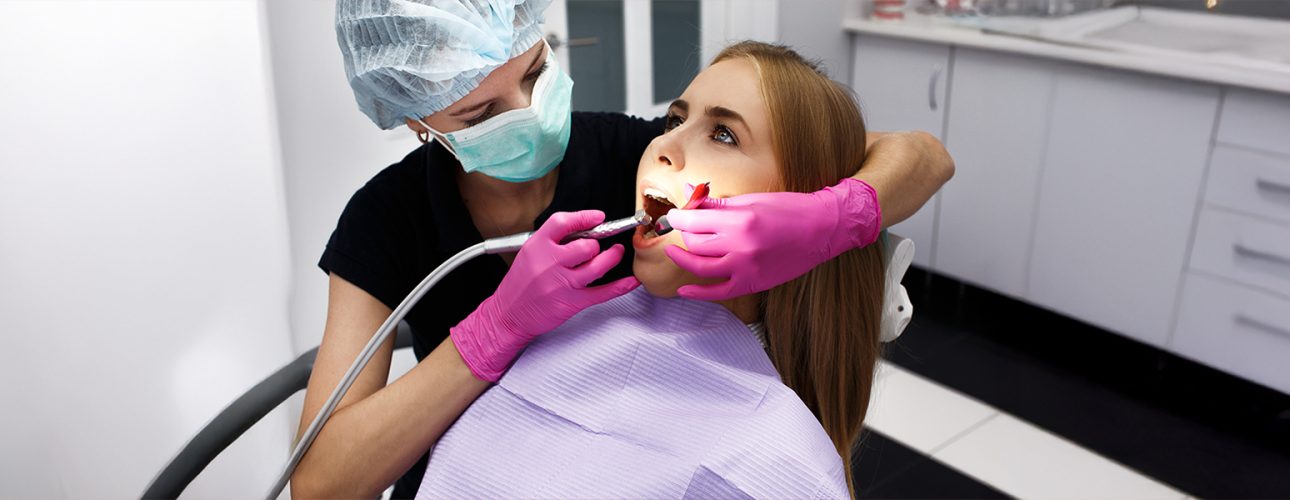
Una caries puede comenzar como una pequeña zona debilitada en el esmalte, pero no permanecerá pequeña sin tratamiento. Una vez que las bacterias y los ácidos comienzan a dañar la superficie del diente, el daño puede extenderse a mayor profundidad y volverse más difícil de tratar. Los empastes dentales detienen las caries eliminando la materia dañada y sellando el diente para prevenir daños mayores. Ese es el objetivo del tratamiento y la razón por la que la atención temprana es importante.
Muchas personas quieren entender cómo tratar las caries, Esto suele depender de si el daño se limita al esmalte o si ya se ha formado una caries que requiere restauración. En la mayoría de los casos, el siguiente paso lógico es una revisión dental para examinar el diente antes de que la caries se extienda hacia el interior. El dentista también puede usar radiografías para confirmar la profundidad de la caries, especialmente cuando el daño no es fácil de ver durante un examen visual.
Cuando el tratamiento se realiza a tiempo, un empaste puede restaurar el diente, proteger la estructura sana y ayudarle a evitar tratamientos más complejos en el futuro.
¿Qué son las caries y por qué empeoran?
Una caries es una zona dañada permanentemente en un diente a causa de la descomposición. Se desarrolla cuando la placa bacteriana permanece en los dientes y las bacterias se alimentan de los azúcares de los alimentos y las bebidas. Estas bacterias producen ácidos que desgastan el esmalte con el tiempo.
Al principio, el daño puede afectar solo la superficie externa del diente, y esta etapa puede no causar dolor evidente. Por eso, las caries suelen pasar desapercibidas en sus primeras etapas. Aun así, el proceso continúa si el diente no recibe tratamiento.
Cuando la caries avanza más allá del esmalte, puede llegar a la dentina. La dentina es más blanda que el esmalte, por lo que la caries suele propagarse más rápido una vez que llega a ella. Si continúa avanzando a mayor profundidad, puede afectar la pulpa, donde se encuentran los nervios y los vasos sanguíneos del diente. En esa etapa, el diente puede volverse doloroso, inflamarse o infectarse.
Las caries tienden a empeorar por varias razones:
- La placa y las bacterias permanecen activas en la zona dañada.
- La abertura en el diente puede atrapar restos de comida y ácidos.
- La masticación diaria ejerce presión sobre la estructura ya debilitada.
- El esmalte no puede regenerarse una vez que se ha formado un agujero verdadero.
Diversos hábitos y condiciones pueden aumentar el riesgo de que la caries empeore:
- Consumo frecuente de aperitivos o bebidas azucaradas.
- Cepillado y uso de hilo dental inconsistentes
- Boca seca
- Saltarse las visitas rutinarias al dentista
- Retrasar el tratamiento después de que comiencen los síntomas.
Una caries pequeña es más fácil de tratar que una profunda. El tratamiento temprano generalmente conserva más parte del diente natural y permite una reparación menos invasiva.
Señales de que tus caries están empeorando
Algunas caries no duelen de inmediato. Otras provocan síntomas leves que son fáciles de ignorar. Sin embargo, el diente suele dar señales de advertencia a medida que avanza la caries.
Los síntomas comunes incluyen:
- Sensibilidad a los alimentos calientes, fríos o dulces.
- Ligera molestia al masticar
- Una mancha oscura visible o un pequeño agujero en el diente.
- Un borde áspero que te atrapa la lengua.
- Los alimentos se acumulan cada vez con más frecuencia en una misma zona.
- Un dolor de muelas que va y viene
Estos síntomas no siempre significan que la caries sea grave, pero sí indican que se debe examinar el diente. Muchos pacientes preguntan ¿Cuándo necesitas un empaste?, La respuesta suele depender de si la caries ha causado daños estructurales que requieren su eliminación y sellado. En general, se necesita un relleno cuando la caries ha creado una zona que debe limpiarse y sellarse para evitar que se extienda.
Esa decisión se basa en el tamaño de la caries, la profundidad de la misma, sus síntomas y lo que se observa durante la exploración o en las radiografías. No todos los puntos débiles se tratan de la misma manera, por lo que una evaluación clínica es fundamental.
Cómo los empastes dentales ayudan a prevenir las caries
Un empaste dental es una de las formas más comunes de tratar una caries una vez que el diente ha sido dañado por la descomposición. El proceso es sencillo, pero cada paso cumple una función importante.
El primer paso consiste en retirar con cuidado la zona dañada del diente. A continuación, se limpia la zona para eliminar las bacterias y los restos del material dañado. Finalmente, se rellena el espacio con un material restaurador que reconstruye el diente y ayuda a protegerlo de un mayor deterioro.
Eliminan la caries activa
Un empaste comienza con la eliminación de la parte del diente que ya está dañada. Esto es importante porque la caries no se detiene por sí sola una vez que se ha formado una cavidad. Dejar la zona debilitada permite que las bacterias sigan penetrando más profundamente en el diente.
Sellan el diente
Una vez limpia la zona dañada, el empaste sella el espacio. Esto ayuda a reducir la probabilidad de que se acumulen bacterias, placa y restos de comida. Un diente sellado es más fácil de proteger con el cepillado y el uso de hilo dental diarios.
Restauran la fuerza y la función.
Una caries debilita el diente. Incluso una pequeña área afectada puede dificultar la masticación. Un empaste restaura el soporte para que el diente pueda funcionar con normalidad.
Ayudan a prevenir tratamientos más complejos.
Tratar una caries a tiempo puede ayudarle a evitar procedimientos más complejos posteriormente. Si la caries llega a la pulpa, el siguiente paso podría ser un tratamiento de conducto en lugar de un simple empaste. Si una gran parte del diente ya se ha deteriorado, podría necesitar coronas dentales para mayor resistencia y cobertura.
Conservan mejor el diente natural.
Uno de los principales beneficios del tratamiento oportuno es que ayuda a preservar una mayor cantidad de estructura dental sana. Por eso, la atención temprana es tan importante. Cuando la caries es más pequeña, la restauración también suele serlo.
El término empastes dentales cerca de mí Suele solicitarse cuando síntomas como sensibilidad o acumulación de restos de comida indican que la caries podría requerir un tratamiento restaurador. Se trata de un tratamiento preventivo diseñado para detener la caries activa y restaurar el diente antes de que el problema empeore.
Tratamiento temprano con Empastes dentales en Pearland, Texas, Ayuda a preservar una mayor cantidad de estructura dental natural antes de que la caries progrese.
¿Duele hacerse un empaste?
Esta es una de las preocupaciones más comunes de los pacientes, y es comprensible. A la mayoría de la gente no le entusiasma el tratamiento dental, sobre todo cuando el diente ya está sensible.
En muchos casos, hacerse un empaste es un procedimiento muy sencillo. Generalmente, se aplica anestesia local en la zona antes de comenzar el tratamiento. Es posible que note vibraciones, movimientos o una ligera presión durante el procedimiento, pero no se espera dolor intenso.
Tras la colocación del empaste, es posible que note una leve sensibilidad durante un breve periodo. Esta sensibilidad puede ser más notoria con alimentos fríos o al morder. En la mayoría de los casos, desaparece a medida que el diente se adapta.
La experiencia puede ser diferente si la caries es profunda o el diente ya está inflamado. Esa es otra razón por la que la atención temprana marca la diferencia. Dentista en Pearland, Texas, Puede evaluar el grado de caries y determinar si un empaste es el tratamiento adecuado según los hallazgos clínicos.
Otros cuidados que favorecen la prevención de caries
Un empaste trata la caries, pero la prevención sigue siendo fundamental para el resto de tu sonrisa. La salud bucal a largo plazo depende de detectar los problemas a tiempo y reducir los factores que favorecen la formación de caries.
La atención continua puede incluir:
- Exámenes y limpiezas rutinarias a través de la odontología general.
- Vigilar los puntos débiles en sus primeras etapas antes de que se conviertan en cavidades más grandes.
- Revisión de los hábitos de cepillado y uso de hilo dental
- Reducir la exposición frecuente al azúcar
- Comprobar si hay desgaste o fugas en las restauraciones antiguas.
- Acuda a un dentista de urgencias si un diente le duele repentinamente o se le rompe.
Estos pasos tienen el mismo objetivo que un empaste: proteger la estructura sana del diente y reducir la posibilidad de que pequeños problemas se conviertan en problemas mayores.
Preguntas frecuentes
¿Puede un empaste realmente detener una caries?
Sí. Un empaste ayuda a detener una caries eliminando la parte dañada del diente y sellando la zona para que las bacterias no puedan seguir descomponiéndola.
¿Cómo deciden los dentistas si es necesario un empaste?
La decisión depende del tamaño y la profundidad de la caries, de sus síntomas y de lo que el dentista observe durante la exploración o en las radiografías.
¿Los empastes solo se utilizan cuando hay dolor?
No. Muchas caries se tratan antes de que causen dolor. De hecho, un tratamiento temprano suele preservar mejor la estructura natural del diente.
¿Qué sucede si espero demasiado tiempo?
Si se retrasa el tratamiento, la caries puede extenderse a capas más profundas del diente. Esto puede provocar una infección, una restauración más extensa o un tratamiento más complejo.
¿Puede un diente empastado desarrollar otra caries más adelante?
Sí. Un diente empastado aún puede desarrollar caries alrededor de los bordes si se acumula placa o si la higiene bucal se descuida. Las visitas regulares ayudan a controlar ese riesgo.
Reflexiones finales
Los empastes dentales son una forma eficaz de tratar las caries a tiempo y evitar que se compliquen. Eliminan la caries activa, restauran la resistencia del diente y lo protegen de daños más graves. En muchos casos, el tratamiento precoz es la opción más conservadora y práctica para mantener la salud y el buen funcionamiento de su diente natural.
Si nota sensibilidad, una mancha oscura o molestias al masticar, es recomendable que le revisen el diente antes de que el problema empeore. Pearly Whites de Pearland Nos enfocamos en la atención centrada en el paciente, ofreciendo explicaciones claras, una experiencia cómoda y apoyo para la salud bucal a largo plazo. Si nota los primeros signos de una caries, programar una revisión dental puede ayudar a identificar el problema y guiarlo hacia el tratamiento adecuado antes de que progrese.

 English
  Español